Clutch Repair & Service For All Makes & Models
Are you having problems with your clutch? Allow us to inspect your clutch and get you back on the road quickly. We have over 50 years of experience working with clutches from all makes and models, and we won’t stop working until you are 100% satisfied with the level of your Clutch Repair!
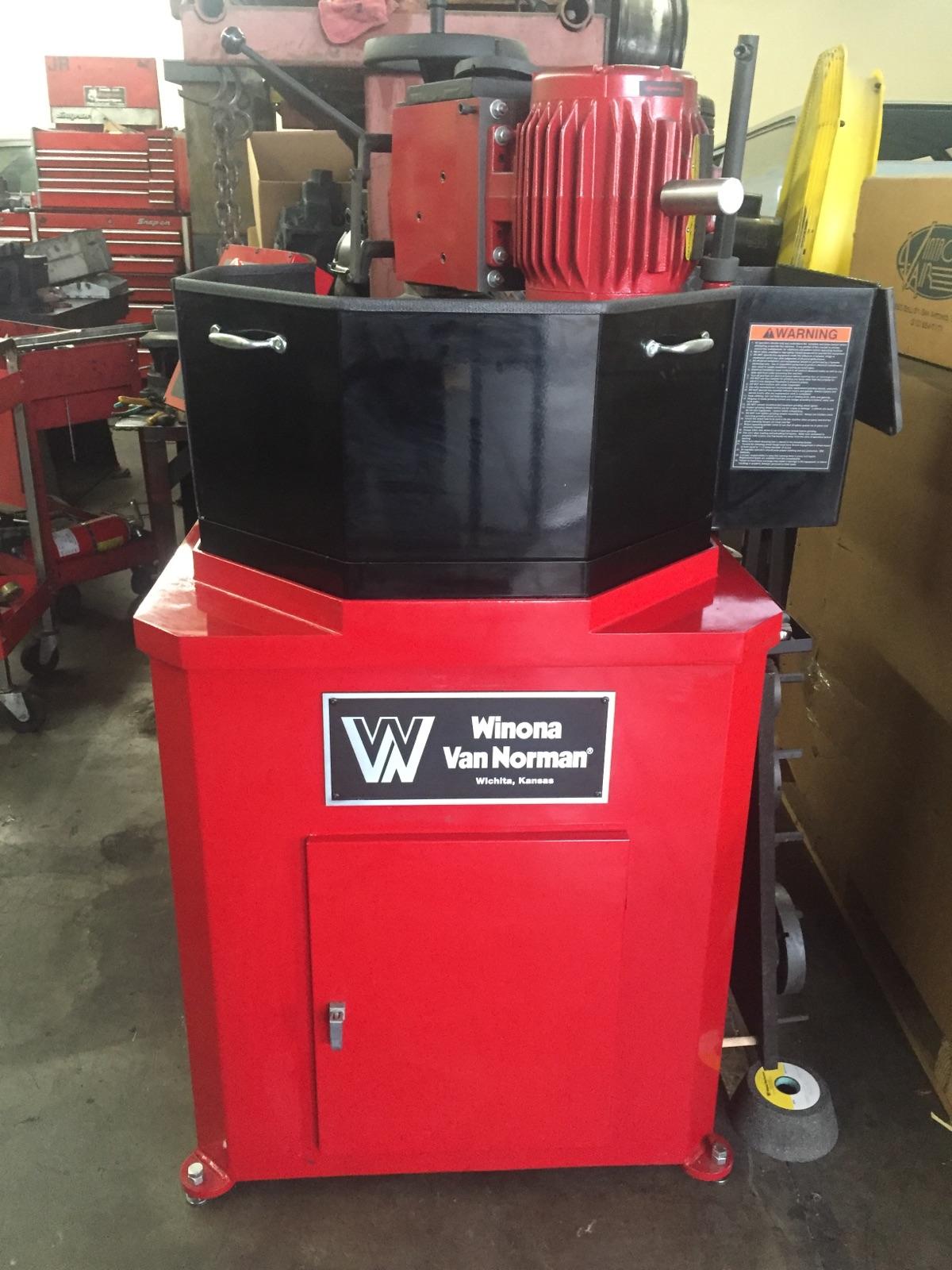
Now Resurfacing all Flywheels Onsite
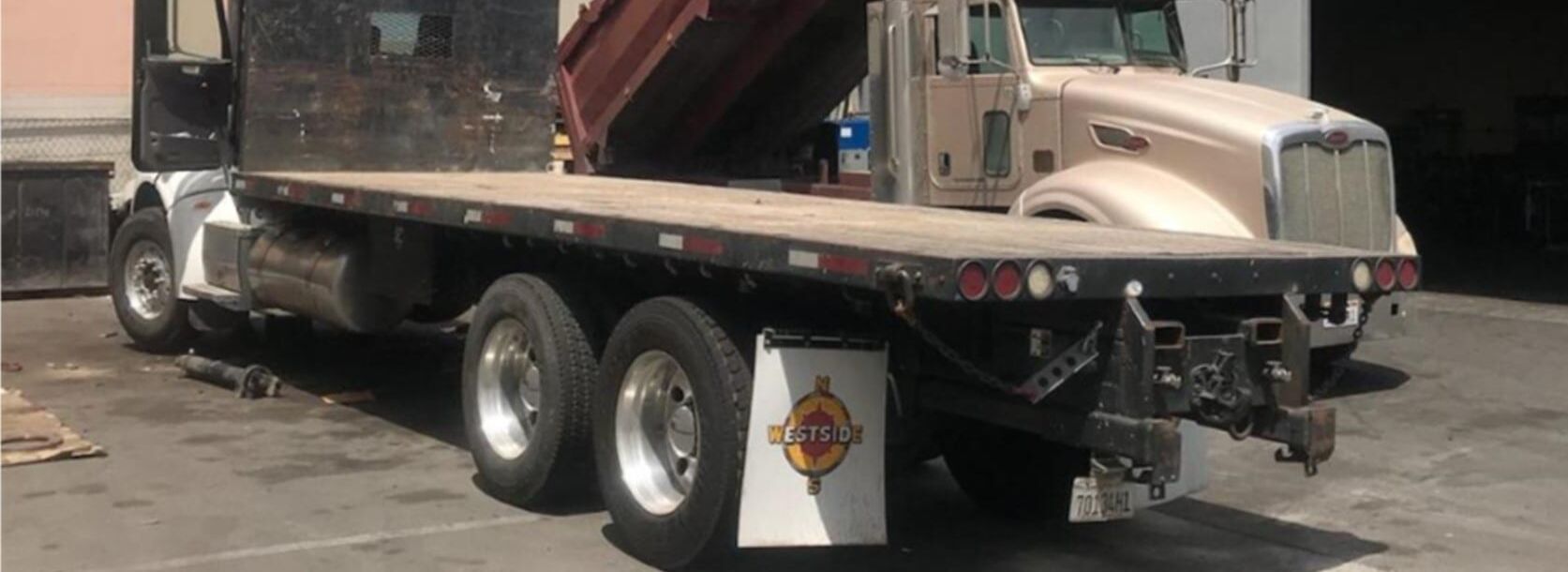
Clutch Repair & Service For All Makes & Models
At Orange County and West Coast Truck Centers, we can handle maintenance, repairs, and replacements for all your clutch parts and components. The clutch, a mechanical device found in manual vehicles, allows the driver to transfer power from the engine to the wheels and shift gears. There are several warning signs to look for to determine whether your clutch requires repair or replacement.
Medium to Heavy-Duty Clutch Consists of Several Separate Components
A medium-to-heavy-duty clutch comprises several core components that work together to transfer torque from the engine to the transmission. Unlike simpler clutches, heavy-duty applications often use larger, multi-disc designs with more robust components to handle the higher torque and power of diesel engines.
Core Components
Flywheel
- Location: Bolted directly to the engine’s crankshaft.
- Function: This heavy, spinning metal plate provides a friction surface for the clutch disc. It also offers rotational inertia to keep the engine running smoothly.
Clutch disc (or driven plate)
- Location: Positioned between the flywheel and the pressure plate.
- Function: The disc has friction material on both sides. When the clutch is engaged, the pressure plate clamps the disc against the flywheel, allowing the engine’s rotation to transfer power to the transmission’s input shaft.
- Heavy-duty features: In heavy-duty systems, the friction material is often a highly durable ceramic or metallic compound. The disc also includes dampening springs that absorb torque pulsations and reduce stress on the drivetrain. Multi-disc clutches use multiple friction discs to increase torque capacity.
Pressure plate assembly
- Location: Bolted to the flywheel, encompassing the clutch disc.
- Function: The pressure plate provides the clamping force that presses the clutch disc against the flywheel, thereby engaging the clutch. When the clutch pedal is released, strong springs push the plate against the disc.
- Heavy-duty features: Heavy-duty applications often use a spring-loaded design with a high “clamp load,” meaning they apply more force to prevent slippage under heavy loads. The springs and the diaphragm are engineered for high durability.
Release mechanism
- Function: This mechanism is responsible for disengaging the clutch when the driver presses the pedal. The main components include:
- Release (or “throw-out”) bearing: Pushed by the clutch fork, this bearing presses against the diaphragm spring fingers of the pressure plate.
- Clutch fork: A lever that moves the release bearing in response to hydraulic or mechanical linkage from the clutch pedal.
- Clutch linkage: A hydraulic or mechanical system that connects the clutch pedal to the release fork.
Pilot bearing (or bushing)
- Location: In the center of the flywheel.
- Function: It supports the end of the transmission’s input shaft, keeping it aligned with the engine crankshaft.
Heavy-duty specific parts
Some heavy-duty clutches, especially multi-disc units, include additional components to handle extreme loads:
- Intermediate plate (or floater plate): In dual-disc clutches, this additional plate provides a second friction surface, increasing torque capacity and dissipating more heat.
- Adjusting ring: Some heavy-duty clutches feature a self-adjusting or manual adjusting mechanism to compensate for clutch disc wear.
The Most Common Clutch Warning Signs
Recognizing these issues early can prevent more extensive and costly transmission damage.

Performance-Related Symptoms
Slipping clutch: When you accelerate, the engine’s RPMs increase, but your car’s speed does not increase proportionally. This occurs when the worn-out friction material on the clutch disc fails to grip the engine’s flywheel properly.
Poor acceleration: A worn-out clutch can cause a delay in acceleration, making the vehicle feel sluggish even when the gas pedal is pressed.
High biting point: On a worn clutch, the pedal must be released farther than usual to engage the gears.
Loss of power: A complete clutch failure results in a total loss of control, as the connection between the engine and the transmission is severed, rendering the vehicle unable to move.
Pedal-Related Symptoms
Spongy or soft pedal: If the clutch pedal feels soft or has little resistance when pressed, it often points to a hydraulic system issue, such as a leak or air in the lines.
Sticking pedal: The pedal may stick to the floor after being pressed, indicating problems with the hydraulic system, a broken clutch release bearing, or a faulty clutch cable.
Hard-to-engage pedal: Excessive force is needed to press the pedal, which can be caused by rust, grime, or issues with the release mechanism.
Vibrating pedal: A vibrating or pulsating clutch pedal can signal a warped flywheel, a worn clutch disc, or issues with the pressure plate.
Shifting-Related Symptoms
Difficulty shifting gears: This can range from slight stiffness to being almost impossible to engage the car’s gear. Possible causes include a worn clutch disc, improper clutch adjustment, or a hydraulic system problem.
Grinding gears: If you hear grinding when shifting, the clutch disc may not be fully disengaging, causing the transmission’s input shaft to keep spinning.
Vehicle shudders or jerks: The car may vibrate or jerk when the clutch is engaged or disengaged, a condition known as “judder,” which is often caused by a worn clutch disc or flywheel.
Our affordable prices, exceptional customer service, and knowledgeable staff have made us the premier destination for transmission repair in Southern California. We offer a 2-year, unlimited mileage warranty on our transmissions and differentials, as well as other components. That means you can have confidence in your vehicle’s performance for years to come and trust in us and our work.
In addition to clutch repair and replacement, we also offer maintenance services to keep your clutch in top shape and identify potential issues before they become severe problems.
Call us Today – (714) 305-1480
or Send us an email on the form below and we will get in touch with you shortly.
Office Hours – Mon – Fri 8:00 – 5:00
Orange County Transmission & Differential –1265 N. Lance Ste. B, Anaheim, CA 92806
Call us Today – (714) 305-1480
or Send us an email on the form below and we will get in touch with you shortly.
Office Hours – Mon – Fri 8:00 – 5:00
Orange County Transmission & Differential –1265 N. Lance Ste. B, Anaheim, CA 92806